GENDER EQUALITY
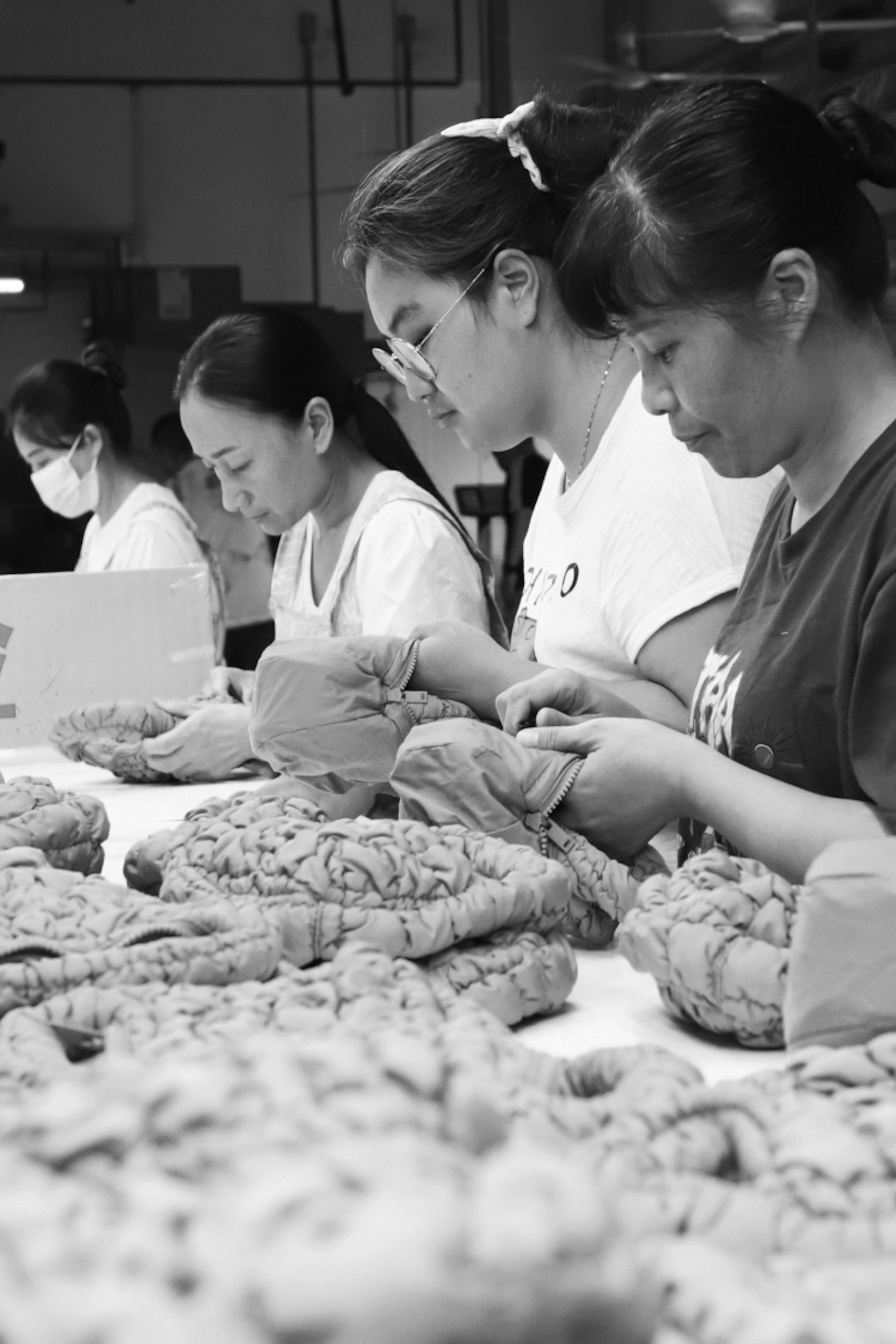
As with many other brands, we don’t own our factories – we contribute to the work of over 85,000 workers in 12 different countries in our tier-one supply chain (direct business partners and product-manufacturing partners).
Each country has a unique culture, societal norms, legal contexts and level of gender equality, which can result in women being more likely to experience harassment, unequal treatment or discrimination.
With the majority of the workers in our manufacturing suppliers being women, it’s important to us that they are safe, healthy and have opportunity both in and outside of their everyday work environment.
COS CHARITY TOTE BAG & SCENTED CANDLES
COS CHARITY TOTE BAG & SCENTED CANDLES
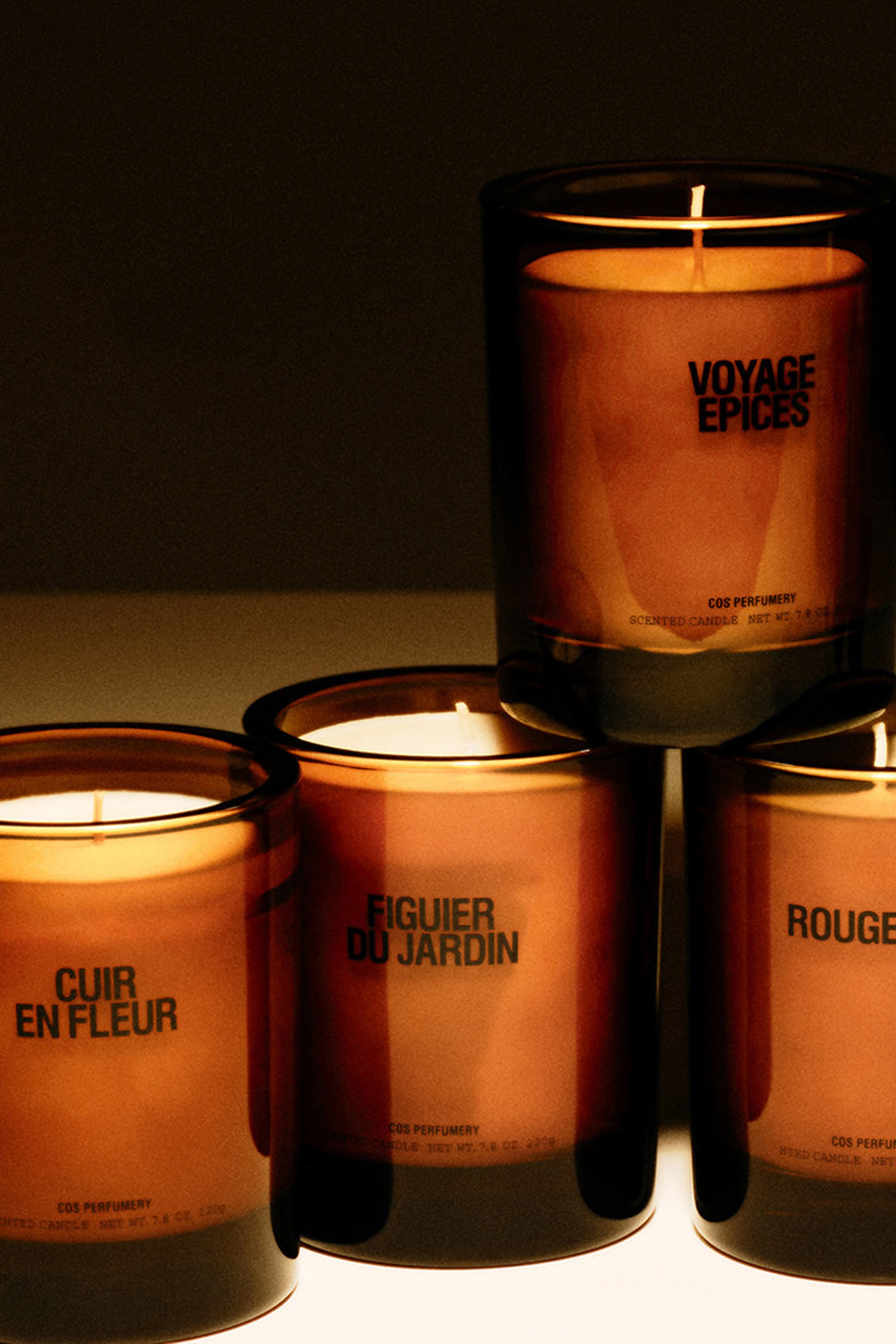

100% of the profits from the sale of our tote bag and candles will be periodically donated to non-profit organisations. Together, our work delivers projects addressing key gender equality issues such as gender-based violence to workers in our manufacturing suppliers and their surrounding neighbourhoods in Bangladesh and India.
Find out more about the initiatives that have benefitted from the funding below.
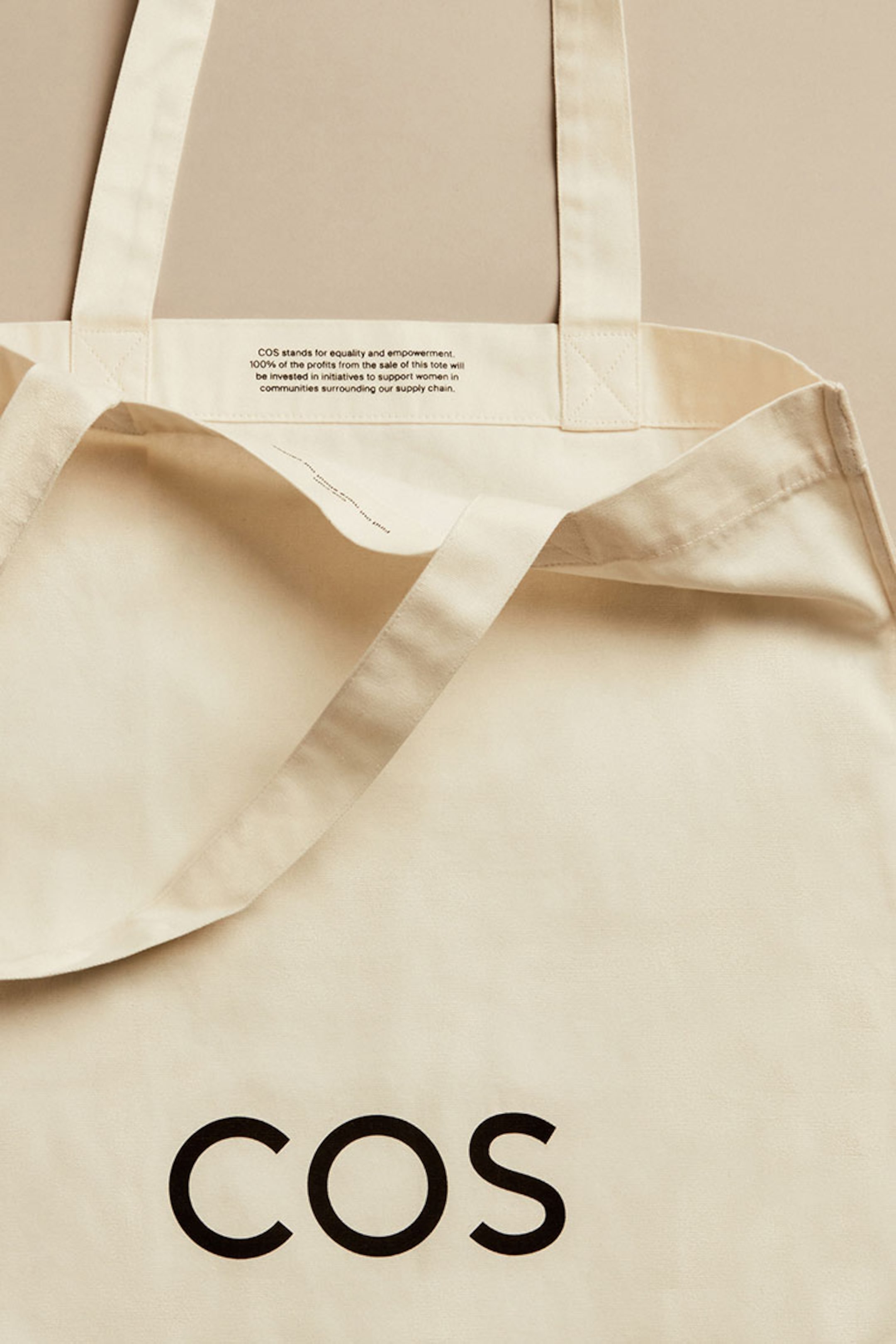

100% of the profits from the sale of our tote bag and candles will be periodically donated to non-profit organisations. Together, our work delivers projects addressing key gender equality issues such as gender-based violence to workers in our manufacturing suppliers and their surrounding neighbourhoods in Bangladesh and India.
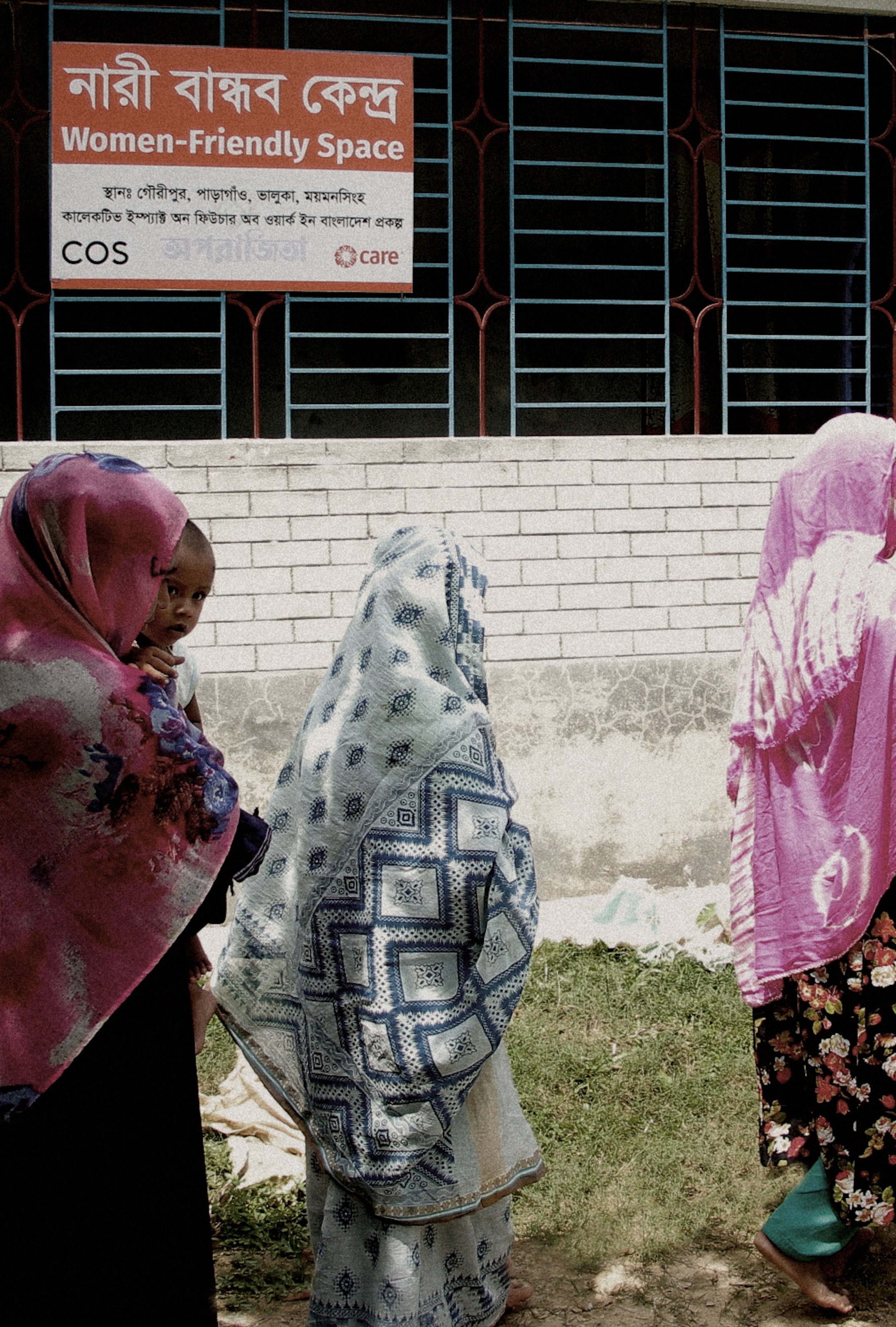
CARE, Bangladesh
Since 2023, we have been working with CARE Bangladesh to fund community-level Women Friendly Spaces (WFS) for women who work in our factories, including their neighbours and friends. These spaces provide education on GBVH, problem solving and decision making, stress management, Sexual and Reproductive Health and Rights (SRHR), and food and nutrition. Additional activities, such as inspirational talks by female role models, couple’s cooking competitions and street performances, further boost the overall reach and impact.
Since partnering with CARE, 8,888 people have been directly reached through WFS memberships and we have provided 8,194 women with foundational training on GBVH issues.
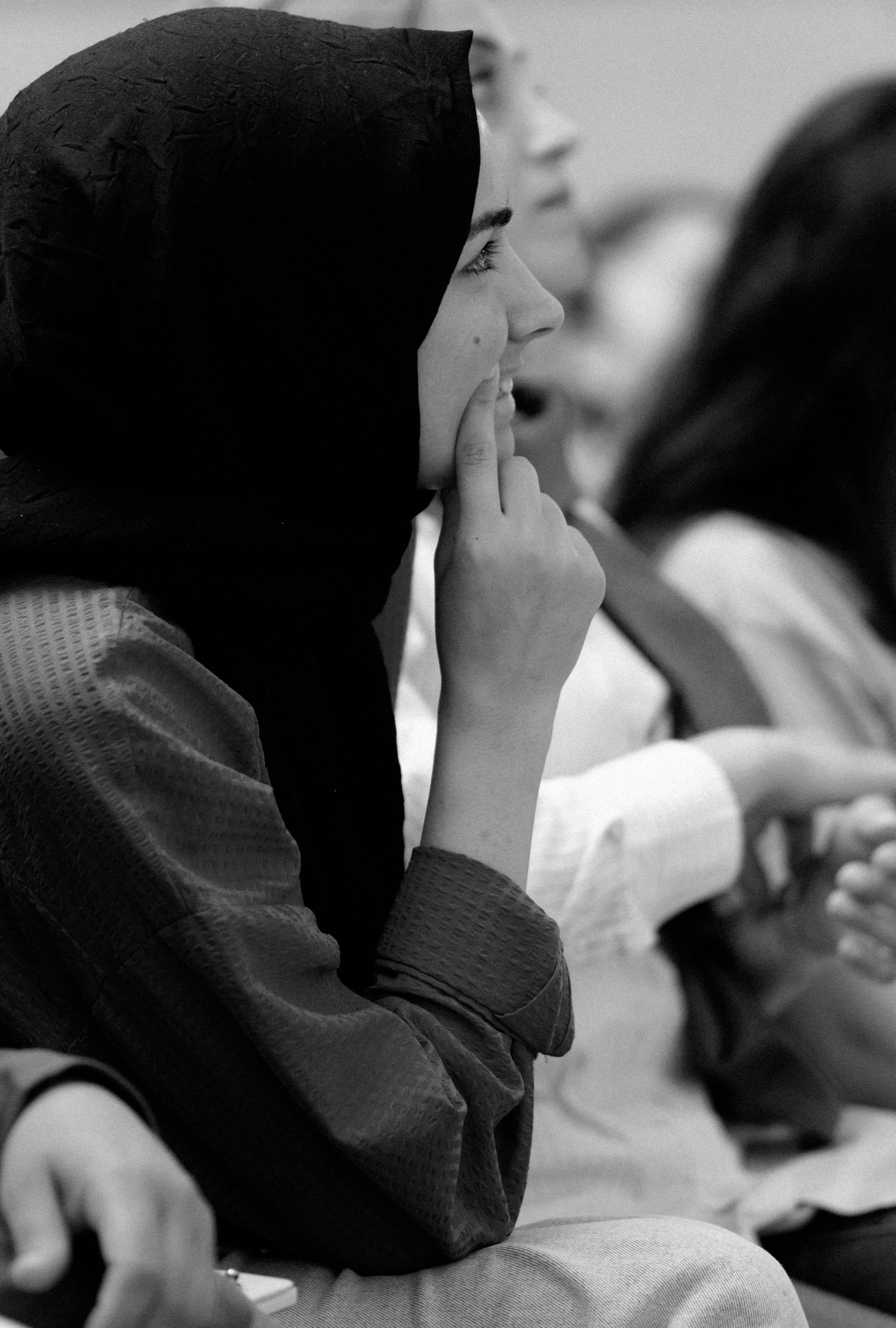

Yanındayız Derneği, Türkiye
Between 2023 and 2025, we worked with local organisation Yanındayız Derneği to deliver trainings on gender equality and GBVH issues in the workplace and activate men’s participation in the discussion.
During the project we reached 2,540 female and male workers, including those in the wider community, and funded training sessions attended by 5,127 people on GBVH awareness.
Yanındayız Derneği, Türkiye
Between 2023 and 2025, we worked with local organisation Yanındayız Derneği to deliver trainings on gender equality and GBVH issues in the workplace and activate men’s participation in the discussion.
During the project we reached 2,540 female and male workers, including those in the wider community, and funded training sessions attended by 5,127 people on GBVH awareness.
Photograph courtesy of Erik Stackpole Undéhn